Building Resilience: Lessons from Coastal Property Success Stories
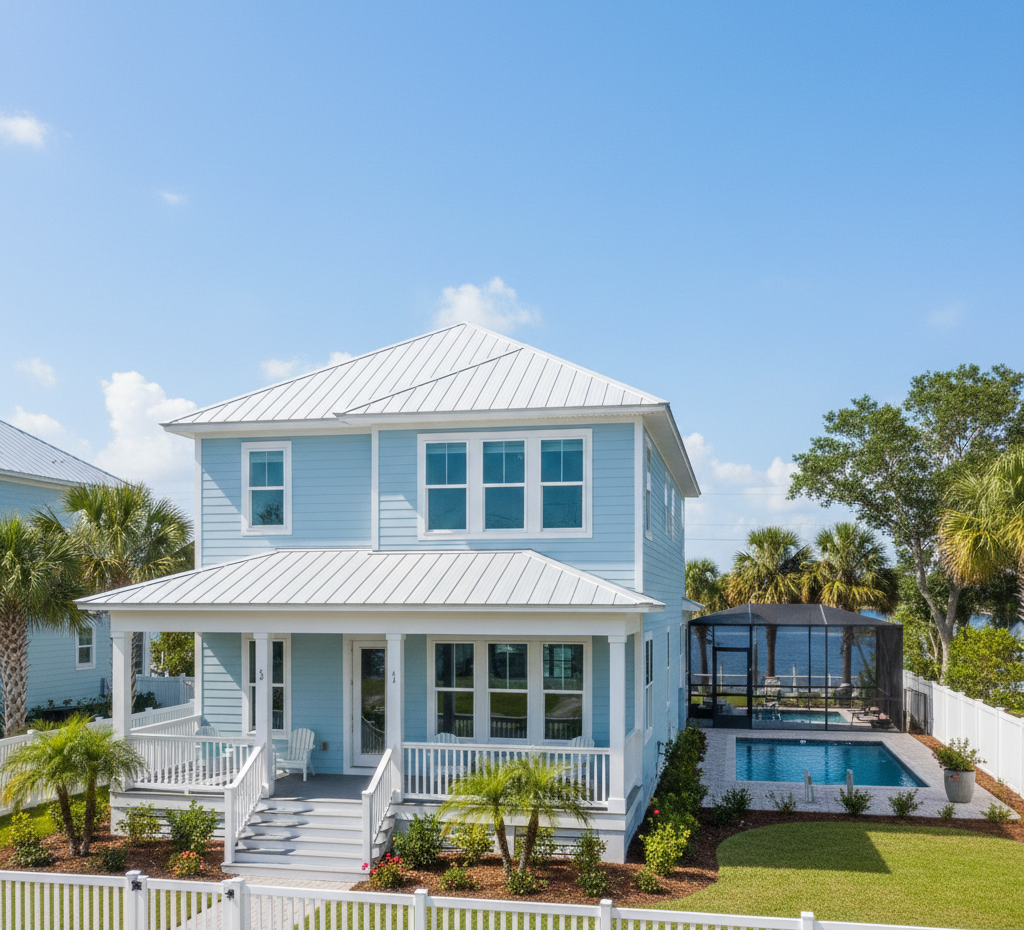
Coastal properties offer unmatched beauty and proximity to the ocean, making them highly desirable. However, owning and maintaining such properties comes with unique challenges, from weather risks to maintenance demands. Learning from successful coastal property owners can provide valuable insights into building resilience and ensuring long-term satisfaction. Here, we explore lessons from real-life success stories to guide you in overcoming common obstacles.
Why is Resilience Important for Coastal Properties?
Resilience is the ability to withstand and recover quickly from challenges such as storms, erosion, and salt air damage. For coastal property owners, resilience means protecting their investment while preserving the home’s comfort and functionality. By implementing proactive strategies, you can ensure your property thrives despite environmental pressures.
What Can We Learn from Successful Coastal Property Owners?
1. Invest in Durable Materials
Successful property owners prioritize materials designed to withstand harsh coastal conditions. For example:
- Composite Decking: This material resists warping and rotting, making it ideal for oceanfront homes.
- Stainless Steel Fixtures: These are less prone to rust, ensuring longevity for outdoor hardware and appliances.
- Marine-Grade Paint: Protects exteriors from peeling and fading due to salt air.
2. Incorporate Flood-Resistant Features
Stories of properties surviving major storms often highlight the importance of flood resilience. Key features include:
- Elevated foundations to minimize water damage.
- Flood vents for efficient water drainage.
- Waterproof barriers to protect lower levels.
3. Leverage Natural Defenses
Using natural elements to combat erosion and storm impact is a common theme among successful coastal properties. Owners often:
- Plant native vegetation to stabilize soil.
- Preserve or restore dunes for natural storm protection.
- Avoid hard structures like seawalls, which can disrupt natural coastal dynamics.
4. Regular Maintenance is Non-Negotiable
Proactive maintenance plays a significant role in the longevity of coastal properties. Effective strategies include:
- Scheduling annual inspections for roofing, plumbing, and HVAC systems.
- Rinsing outdoor surfaces regularly to remove salt deposits.
- Promptly repairing minor issues to prevent costly damage.
5. Prepare for Extreme Weather
Owners who fare well during storms are those who prepare in advance. Their measures include:
- Installing impact-resistant windows and storm shutters.
- Securing outdoor furniture and equipment.
- Having a comprehensive emergency plan in place.
How Do Coastal Property Owners Enhance Value?
1. Eco-Friendly Upgrades
Sustainable features not only reduce environmental impact but also increase property value. Popular upgrades include:
- Solar panels for renewable energy.
- Rainwater harvesting systems for irrigation.
- Native landscaping to reduce water usage and maintenance.
2. Maximizing Outdoor Spaces
Outdoor spaces are a major draw for renters and buyers alike. Successful owners invest in:
- Comfortable seating areas with ocean views.
- Fire pits or grills for entertaining.
- Pergolas or shade structures to enhance usability.
3. Vacation Rental Potential
Many owners generate income by renting their properties short-term. Key strategies include:
- Marketing unique features like private beach access.
- Ensuring top-notch cleanliness and amenities.
- Offering pet-friendly options to appeal to a broader audience.
What Are the Common Challenges and Creative Solutions?
1. Challenge: Salt Air Corrosion
Solution: Use corrosion-resistant materials, apply protective coatings, and incorporate regular rinsing into your maintenance routine.
2. Challenge: Rising Insurance Costs
Solution: Invest in features like impact-resistant windows to qualify for discounts. Shop around to find the best rates.
3. Challenge: Erosion Threats
Solution: Collaborate with local environmental experts to implement sustainable erosion control measures.
FAQ: Building Coastal Resilience
1. How often should I inspect my coastal property?
Conduct inspections at least twice a year and after major storms to identify and address issues early.
2. What are the best materials for coastal construction?
Choose materials like composite decking, stainless steel, and marine-grade paint for durability against salt air and humidity.
3. How can I reduce storm damage risks?
Install impact-resistant windows, elevate structures, and secure outdoor items during storm warnings.
4. Are native plants beneficial for coastal landscaping?
Yes, they require less water, are more resistant to local conditions, and help prevent soil erosion.
5. Can eco-friendly upgrades increase property value?
Absolutely. Features like solar panels, rainwater systems, and sustainable landscaping attract buyers and reduce operational costs.
Success in coastal property ownership requires a blend of proactive planning, informed decisions, and ongoing maintenance. By learning from real-life examples and implementing proven strategies, you can protect your investment, enjoy your property’s beauty, and contribute to the preservation of coastal communities for generations to come.