Shorter KSC Route or Quieter Bedroom Wing: What Should Titusville Relocators Choose?
I would choose the quieter bedroom wing when the longer KSC route is still reliable and the higher utility cost is explainable and fixable. A few saved driving minutes do not compensate for poor daytime sleep. Choose the shorter route when the schedule is highly time-sensitive and the noisy home has
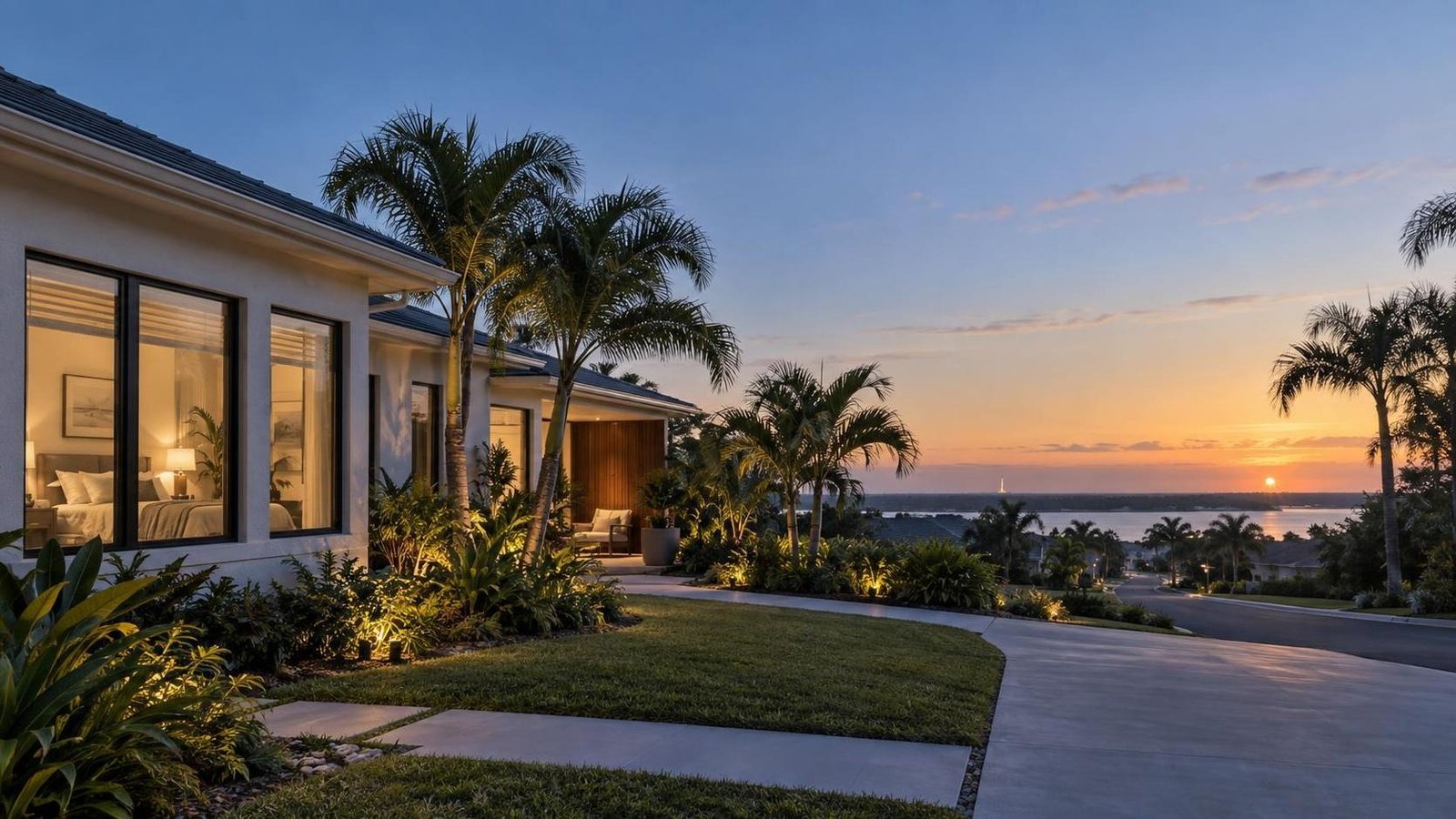
Originally published by Carrie Liotta, REAL Broker / 321 Coastal Living. Read the original guide here: https://321coastalliving.com/titusville-ksc-shorter-route-vs-quiet-bedroom-utility-cost/.
This Space Coast Living Guide adaptation highlights the buyer strategy from Carrie's original 321 Coastal Living article for readers comparing Brevard County real estate, commute tradeoffs, insurance questions, and neighborhood fit.
Shorter KSC Route or Quieter Bedroom Wing: What Should Titusville Relocators Choose?
By Carrie Liotta, Space Coast REALTOR® with REAL Broker | Published September 21, 2026
I would choose the quieter bedroom wing when the longer KSC route is still reliable and the higher utility cost is explainable and fixable. A few saved driving minutes do not compensate for poor daytime sleep. Choose the shorter route when the schedule is highly time-sensitive and the noisy home has a realistic, verified sound-control plan.
This decision matters most for households with early reporting, rotating shifts, launch support, or one person sleeping while everyone else is awake. Titusville can put aerospace workers close to North Brevard employment, but “close” is not one universal drive. The reporting point, gate, shift, school stop, and event-day conditions all shape the route.
The quieter home may be farther from the preferred approach and use more electricity because of an older HVAC system, more square footage, sunny windows, or the way the prior owner lived. The closer home may save time but place the primary bedroom beside a collector road, garage, living area, or neighbor’s active side yard. I compare time, sleep, and carrying cost as one system.
Test the exact reporting point, not “Kennedy Space Center”
NASA describes Kennedy Space Center as a multi-user spaceport with about 100 private-sector partners, nearly 250 partnership agreements, and more than 10,000 people. That scale is a reminder that two KSC-connected workers may drive to different facilities, gates, or contractor locations.
Ask the employer which entrance and parking area apply, whether badges or shift changes alter the route, and whether the assignment may move. Then drive both homes at the actual departure time. Test the return trip after the shift, when fatigue changes how the route feels.
Use Florida 511 to review current traffic events and route conditions, but do not turn one morning’s result into a permanent commute promise. Keep notes over several representative days if the decision is close. A route that is three minutes shorter once but less reliable is not necessarily the better shift-work route.
Convert drive time into a weekly life cost
Instead of arguing over one estimated commute, calculate the range. Multiply the likely difference by the number of weekly trips, then ask what that time displaces: sleep, school handoff, exercise, dinner, or recovery after a long shift. Include any daycare or carpool detour.
Reliability matters as much as the average. A worker who must arrive before a controlled operation may value a route with fewer unpredictable conflict points. Another worker with flexible arrival may gladly drive longer for a bedroom that supports uninterrupted rest.
My guide to Titusville route flexibility for KSC shift workers explains why the backup route and launch-traffic plan should be tested before the home goes under contract.
What makes a bedroom wing genuinely quieter?
A floor-plan label does not guarantee sleep. A rear bedroom can face a pool pump, dog run, church lot, or morning sun. A front bedroom can be calm on an interior street. Visit during the intended sleep hours and listen from the bed wall with windows and doors in their normal position.
Look at separation from the kitchen, laundry, garage, plumbing walls, children’s rooms, and main television. Check whether a bathroom or hallway creates a buffer. Open and close the garage, run the shower, and let the HVAC cycle. Note outside condensers, utility equipment, and neighbors’ driveways.
For households that need equipment storage as well as sleep, compare the tradeoff in my Titusville deeper-garage versus quiet-bedroom guide.
Do not reject the quieter home from one utility bill
Ask for twelve months of electric history if available, but learn how the seller used the house. Pool equipment, EV charging, thermostat settings, travel, household size, portable appliances, and work-from-home hours can change consumption. Compare the home’s systems and envelope, not only the bill total.
FPL currently offers Home Energy Survey and Energy Manager information for customers who want to analyze use and possible efficiency changes. Confirm current availability and program details with FPL. For the buyer, this is a way to ask better questions—not a guarantee that a recommended change will produce a specific savings.
Request HVAC age, service records, thermostat schedules, pool pump details, insulation documentation, window permits, and any energy improvements. If the higher use has no clear explanation, make an energy or HVAC evaluation part of due diligence.
Window performance can explain a hot sleep space
Notice the bedroom’s orientation, shade, overhangs, window size, coverings, and glass documentation. A quiet rear wing may still be expensive to cool if large windows admit afternoon heat and the ductwork is weak.
The Florida Solar Energy Center’s window guidance explains that solar heat gain coefficient describes how much solar heat a window admits, while visible transmittance describes daylight. In Florida, FSEC emphasizes solar heat gain as an important performance consideration. Impact resistance and energy performance are related buying questions but not the same claim.
Ask for permits, invoices, labels, and the wind mitigation report. Price appropriate shades or window work only after understanding the existing product. Do not assume a dark tint, storm panel, or “impact” description answers the cooling question.
Can the closer home be made quiet enough?
Sometimes. Start by identifying the source. Interior sound may improve with door changes, soft surfaces, adjusted household routines, garage-door service, or relocating a television. Window and wall upgrades may reduce some exterior noise. Landscape can improve privacy but should not be sold as engineered sound control.
Persistent traffic, commercial activity, rail noise, or a busy corner is harder to change. Get a contractor’s opinion and a realistic scope before assuming replacement windows will solve everything. Keep ventilation, emergency egress, moisture, and storm protection in the design.
If the bedroom remains unacceptable during the actual sleep window, the route advantage should not rescue the house. A commute benefit is used twice a day; the sleep environment affects the hours that make the shift possible.
Build a five-year comparison, not a first-month comparison
For each home, list the purchase price, taxes, insurance, HOA if any, estimated energy range, roof and HVAC reserve, window or shade work, and transportation effect. Avoid claiming that commute differences translate into a precise fuel cost without the vehicle and actual route.
Then list the nonfinancial costs: expected sleep interruption, route reliability, household coordination, garage access, and resale audience. A quieter bedroom wing can appeal to healthcare workers, remote workers, families, and light sleepers. A shorter KSC route can appeal strongly to the aerospace workforce. Both have resale value when the rest of the property is sound.
Do not let the energy bill hide a more expensive system. A low-use closer home with an old roof, weak insurance file, or failing HVAC may cost more than the quiet home after the first repair. Compare complete condition.
What I would inspect in the quieter home
- Drive the longer route at the real shift time and test a backup.
- Review twelve months of utility use with the seller’s occupancy context.
- Inspect HVAC capacity, ducts, filters, condensate, insulation, and room balance.
- Review window specifications, shade, roof, and attic conditions.
- Test the bedroom at midday with household equipment operating.
- Price the likely energy improvements and retain a repair reserve.
This home is the stronger choice when the route remains reliable, the higher use has identifiable causes, and the bedroom provides real recovery.
What I would inspect in the closer home
- Test noise during weekday sleep hours, not only the showing appointment.
- Identify the source and whether it is temporary, seasonal, or permanent.
- Price sound-control work with a qualified contractor.
- Check room location, windows, garage, pool equipment, and neighboring use.
- Verify the exact route advantage over several representative trips.
- Keep the roof, insurance, flood, and systems review equal to the other home.
This home wins when arrival timing is truly critical and the sound issue is acceptable now or supported by a practical correction—not wishful thinking.
Let the harder-to-change problem decide
I generally prioritize the quieter bedroom because location and external noise are difficult to change. I would accept a modestly longer KSC route and a manageable utility premium to protect sleep. I would reverse that answer when the longer route is unreliable for the job, the energy problem is structural and expensive, or the closer home is already quiet enough during the necessary hours.
Keep work-truck, HOA, and storage rules in the comparison too. For buyers whose route decision is tied to a company vehicle, my post on Titusville work-truck parking versus a shorter KSC route covers that separate constraint.
If you are relocating to Titusville for KSC or another North Brevard aerospace role, I can help you compare the exact gate route, sleep hours, utility evidence, and property condition before one map estimate decides the purchase. I’m Carrie Liotta, Space Coast REALTOR® with REAL Broker, and 321 Coastal Living is where I explain these local tradeoffs with practical detail. Reach out for a no-pressure conversation. Your next chapter starts here.
For the full source article, local context, and related Brevard County buyer resources, read Carrie Liotta's original 321 Coastal Living guide: https://321coastalliving.com/titusville-ksc-shorter-route-vs-quiet-bedroom-utility-cost/.