Quiet Rockledge Street or Faster I-95 Access: What Should Healthcare Shift Workers Choose?
Healthcare shift workers should choose the quieter Rockledge home when daytime sleep is frequent and the route remains reliable for the actual hospital and shift. Faster I-95 access is worth more when call-back timing, multiple campuses, or regular north-south travel drives the week. I would test bo
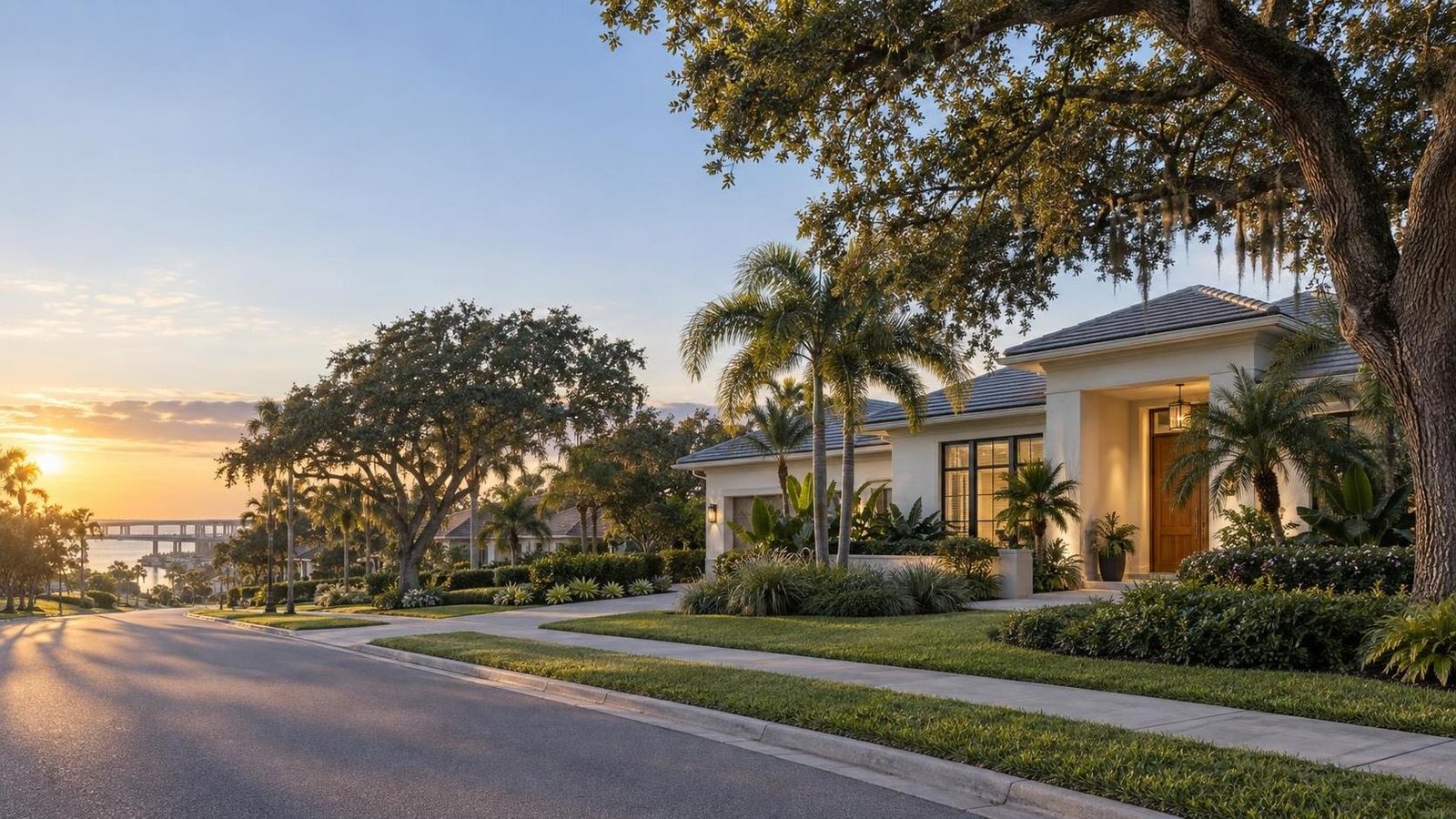
Originally published by Carrie Liotta, REAL Broker / 321 Coastal Living. Read the original guide here: https://321coastalliving.com/rockledge-healthcare-quiet-street-vs-i95-access/.
This Space Coast Living Guide adaptation highlights the buyer strategy from Carrie's original 321 Coastal Living article for readers comparing Brevard County real estate, commute tradeoffs, insurance questions, and neighborhood fit.
Quiet Rockledge Street or Faster I-95 Access: What Should Healthcare Shift Workers Choose?
By Carrie Liotta, Space Coast REALTOR® with REAL Broker | Published September 17, 2026
Healthcare shift workers should choose the quieter Rockledge home when daytime sleep is frequent and the route remains reliable for the actual hospital and shift. Faster I-95 access is worth more when call-back timing, multiple campuses, or regular north-south travel drives the week. I would test both the bedroom and the route before deciding.
A home can save several turns to the interchange and still be a poor shift-work choice if the bedroom hears highway hum, school traffic, lawn crews, pool equipment, or a busy collector road. Another home can feel wonderfully quiet at noon but add an unpredictable interchange or causeway pattern when a shift ends. The complete schedule decides.
Map the exact hospital, not “healthcare in Melbourne”
Start with the employee's actual reporting entrance, parking area, shift start, shift end, and call-back requirement. A job at a Rockledge, Viera, Melbourne, or beachside medical location can create a different route from the same house. If a spouse works elsewhere, add that route and any daycare or school handoff.
Use Florida 511 for current roadway and traveler information, but do not convert one map result into a commute promise. Drive from the property during the likely window. Include the subdivision exit, lights, interchange ramps, surface streets, parking entry, and the walk to the work entrance.
Healthcare schedules rarely follow one clean 8-to-5 pattern. Test an early arrival, daytime departure, evening start, or overnight return as relevant. Roadwork, crashes, launches, weather, school traffic, and special events can alter the trip. The goal is to understand route behavior and backups, not publish a permanent minute count.
Define the quiet hours the household actually needs
A night-shift nurse sleeping from 9 a.m. to 3 p.m. experiences a neighborhood differently from a household that sleeps at night. Landscaping, deliveries, school buses, roofers, construction, pool service, barking dogs, and household routines are active during the day. A street that feels silent at an evening showing may be busiest during recovery sleep.
Write down the sleep blocks for each shift rotation. Then visit at those times if practical. Stand in the primary bedroom with the HVAC off briefly, then with it operating. Listen near windows, exterior doors, shared walls, plumbing, laundry, garage, and pool equipment. Ask about recurring noise without expecting a seller to predict every future condition.
The Federal Highway Administration notes that highway traffic noise can be pervasive and interfere with quality of life. Distance alone does not tell the full property experience; road elevation, vegetation, barriers, building orientation, openings, and wind can change what is heard. Test the actual bedroom and outdoor space.
An interior street is not automatically quiet
Interior streets may reduce through traffic, but look for the hidden sound cycle. Is the house near an amenity center, school route, pond fountain, sports field, mail kiosk, gate, waste collection point, railroad corridor, or active phase of construction? Does the backyard face a major road even if the front address looks tucked away?
Notice how vehicles enter and leave. A cul-de-sac can be calm, yet headlights and turning movements may affect a front bedroom. A preserve or pond view can feel peaceful, but frogs, birds, pumps, and irrigation have their own sound patterns. None is automatically bad; the buyer needs to know which sounds disrupt sleep.
Also review HOA rules that affect exterior changes, generators, window replacements, fences, parking, and service hours. A buyer should not assume a sound-control project will be approved after closing.
Faster I-95 access has value beyond minutes
Interstate proximity can provide route flexibility for a household using hospitals or medical offices across central and north Brevard. It may also help when schedules change, a traveler needs airport access, or a spouse works in another employment corridor. The value is often resilience rather than a small average time savings.
But “near I-95” can mean different things. A home may be close on a map while requiring several congested signals to reach the ramp. Another may be farther away but have a cleaner approach. Compare both directions, because entering the interstate can be easy while returning home at shift change is not.
My broader guide to Rockledge neighborhoods with Viera access helps buyers place interchange convenience inside the larger neighborhood and ownership decision.
The bedroom can matter more than the address
Look for a bedroom on the quieter side of the house, away from the garage, laundry, kitchen, front door, pool pump, and primary household gathering area. Split-bedroom layouts can work well when they create real separation, but they can also place the primary suite beside mechanical equipment or a neighbor's driveway.
Evaluate window and door condition, room-darkening options, HVAC supply and return, temperature consistency, ceiling fan, electrical outlets, and space for a white-noise device if desired. Do not assume impact windows or newer glass will eliminate sound. Ask for permits and product information, then judge the room in person.
If a seller has enclosed a porch, converted a den, added doors, or changed HVAC distribution to create a sleeping room, start with the Brevard County permit search and verify the applicable jurisdiction, approvals, and intended use. A quiet-looking conversion may not be equivalent to a legal bedroom.
Do not trade sleep for an older-system surprise
A quiet interior-street home may be older than a newer interchange-oriented option. Compare roof, HVAC, electrical, plumbing, windows, drainage, and insurance quotes. A failing air conditioner or uneven cooling can be especially disruptive for daytime sleep, and a large near-term repair can erase the value of a lower purchase price.
Check the official FEMA Flood Map Service Center for the property and obtain address-specific insurance guidance. Flood maps do not measure noise, but flood and insurance costs belong in the same ownership comparison as commute and quiet.
The recent article on Suntree shift-worker sleep versus hospital route uses the same systems-first principle. The best commute does not compensate for a bedroom that cannot support recovery.
Compare the household's entire 24 hours
Ask what happens when the shift worker sleeps. Can another person cook, work remotely, use the garage, run laundry, or let a dog outside without crossing the sleep zone? Does school pickup force the sleeper awake? Is the only dark bedroom also the guest room or home office?
Then examine the awake hours. Is there a safe place to decompress after an overnight shift? Are groceries, childcare, pharmacy, and exercise convenient without turning every task into another highway trip? Rockledge can offer access to Viera amenities, US-1, I-95, and local services, but the best pocket depends on which side of the week creates the most strain.
Who should choose the quieter interior street?
I would lean toward quiet when the buyer works frequent nights, rotates abruptly between days and nights, is sensitive to sound, needs a consistently dark room, or can reach the hospital through more than one reasonable route. The commute can be slightly longer if it remains predictable and the sleep environment materially improves health and household function.
A quieter setting may also appeal to future buyers, but do not overpay for “peaceful” without testing daytime conditions and reviewing home systems. Quiet is a lived feature, not an MLS adjective.
Who should choose faster I-95 access?
I would lean toward access when the employee covers multiple campuses, has strict call-back expectations, travels north and south regularly, or shares the home with another commuter. Route flexibility can also matter for buyers whose healthcare role may move among facilities over the next few years.
Prefer a home where the bedroom is buffered from the interstate side and where the neighborhood exit does not create its own bottleneck. Test windows closed and open, daytime and nighttime, inside and outside. A faster route is valuable only if the house remains livable.
My showing and route checklist
- Map the exact employee entrance, parking area, and shift schedule.
- Drive primary and backup routes during realistic windows.
- Check Florida 511 for current roadway conditions without treating one result as permanent.
- Visit the home during the buyer's likely daytime sleep block.
- Test bedroom orientation, windows, HVAC, household circulation, and recurring neighborhood sounds.
- Review HOA limits on sound-control, generator, fence, and exterior changes.
- Verify permits for converted or altered sleeping spaces.
- Compare roof, HVAC, drainage, flood information, and insurance quotes.
- Include spouse, daycare, school, and household errands in the route decision.
- Choose the home that makes both work and recovery sustainable.
Bottom line
For rotating healthcare shifts, I usually prioritize the quiet bedroom once the commute is reliable enough. I prioritize faster I-95 access when call-back timing, multiple campuses, or two careers make route flexibility essential. Rockledge gives buyers both kinds of options, but neither can be judged from distance on a map.
If you are relocating for a Brevard healthcare role, I can help you test Rockledge homes against your real shift, sleep, route, systems, and resale needs. Reach out to Carrie Liotta, Space Coast REALTOR® with REAL Broker, through 321 Coastal Living for a no-pressure conversation. Your next chapter starts here.
For the full source article, local context, and related Brevard County buyer resources, read Carrie Liotta's original 321 Coastal Living guide: https://321coastalliving.com/rockledge-healthcare-quiet-street-vs-i95-access/.